
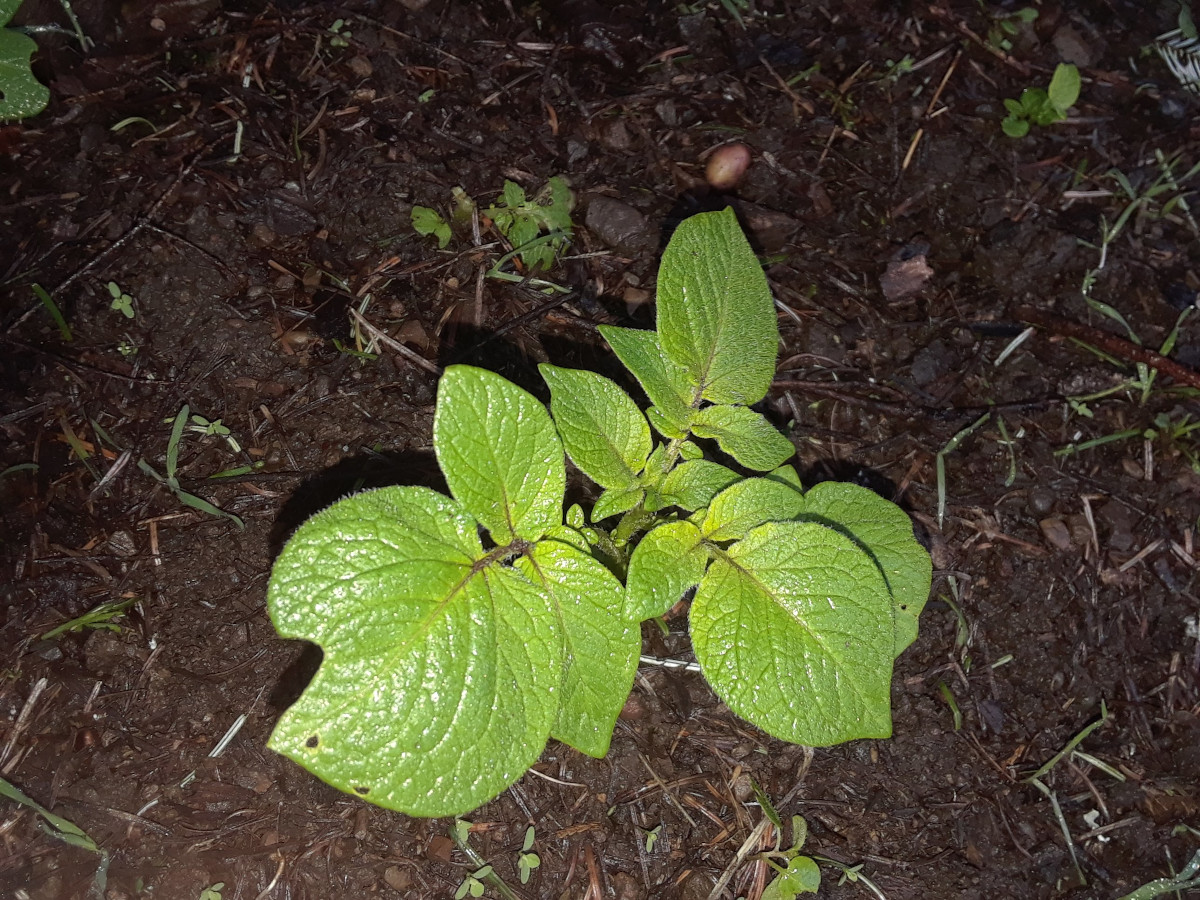
What you need to know about growing potatoes
Did you know that just like tomatoes, potatoes can be determinate or indeterminate?
People have told me how they tried to grow potatoes in “potato towers” but were not able to get the harvest they thought they would. What most people don’t know is that, just like tomatoes, potatoes can be determinate or indeterminate. Which one you plant will determine how it should be planted and grown.
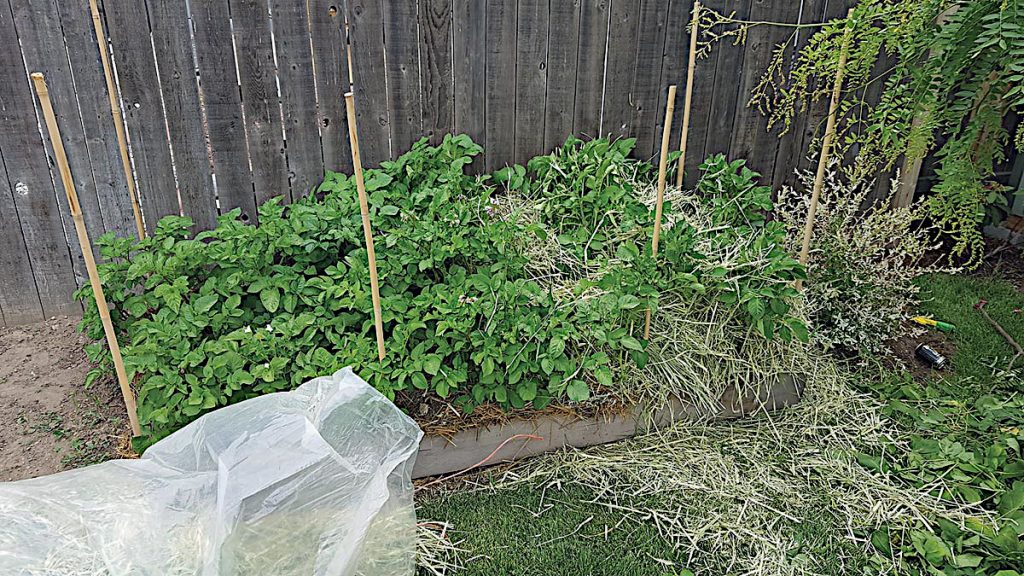
When deciding to plant potatoes consider the amount of space you have to dedicate to them, what type of soil you have, and how long your growing season is — this will help you decide whether determinate or indeterminate potatoes will work best in your garden. Or, if conditions are good for both types, plant both and experiment with different ways to grow them.
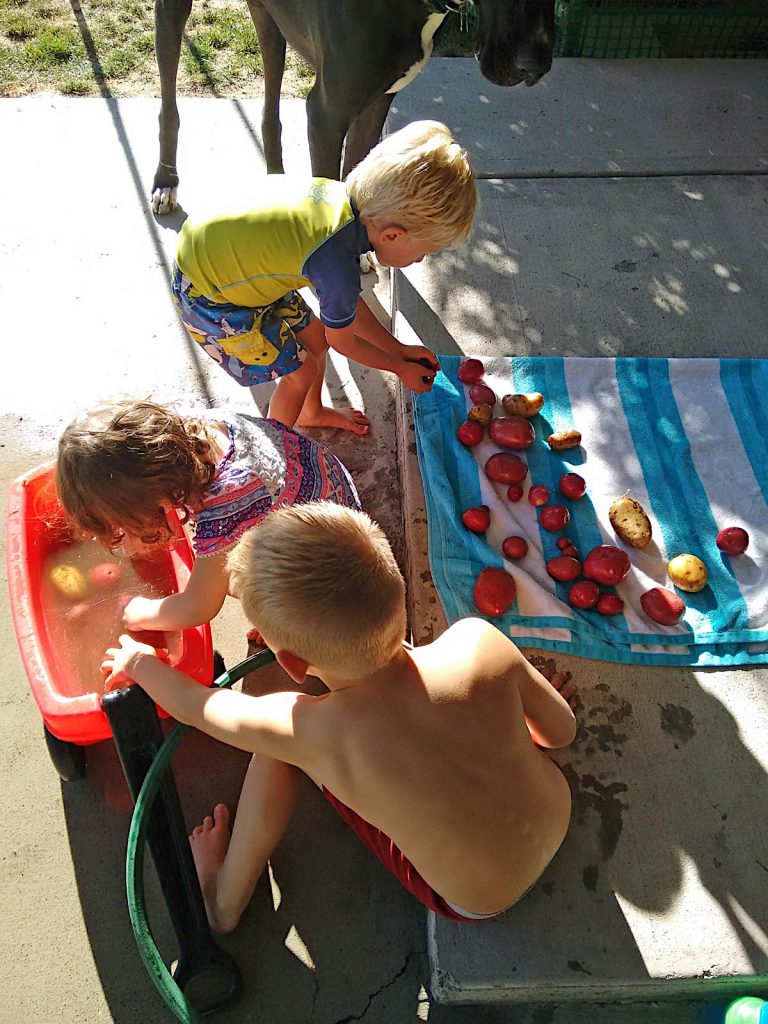
Determinate potatoes produce one bunch of tubers at the soil depth just above where the seed is planted. Determinate potatoes do not need to be “hilled” up to produce a crop, although you will want to cover any potatoes that are poking above the soil to keep them from turning green. (The green color is caused by solanine developing when the potato is exposed to light. Eating green potatoes can make you sick.) The advantage of growing determinate potatoes is that they will produce a crop earlier than indeterminate potatoes — usually in 70-90 days. Some of the most common determinate potatoes include: Red Pontiac, Yukon Gold, Norland, and Kennebec.
Indeterminate potatoes grow slower and produce tubers all along the stem where it comes in contact with soil. Thus, “hilling” the potatoes will give you a larger harvest. Because they can grow “up,” indeterminate potatoes are the ones you want to grow if you only have a small space to grow potatoes. They grow well in barrels, grow bags, or other “potato towers.” Some common indeterminate potatoes are: German Butterball, Russet, and Snowden.
To plant determinate potatoes you will want to work up the ground adding any amendments needed. Honestly, you really should test your soil to see what amendments need to be added. However, I am a bit of a haphazard gardener and watch my soil to see what weeds are growing and what the soil looks and feels like to determine which amendments I add. For instance, my soil is heavy and dense and will hold together when even a little bit damp, so I know there is a lot of clay in the soil and it needs a lot of compost and manure to make it a less dense. I also have a lot of sorrel, dockweed, and plantain growing in areas of my garden. These weeds indicate that the soil is acidic and — for most plants — needs to be amended to make it a little more alkaline. However, for growing potatoes you do want the soil to be a little more on the acidic side as that is what potatoes like, and a more acidic soil helps to keep down a common disease of potatoes called scab.
Once you have the ground worked up and amendments added, dig trenches four to six inches wide and six to eight inches deep. It is best to space the rows about three feet apart, but if you are limited in space I think you can get away with spacing them a little bit closer. Lay your seed potatoes in the trench, sprout side up, and cover with soil.
While it is not necessary to hill determinate potatoes, it doesn’t hurt to do so at least once during the growing season to make sure none of the tubers are poking above the soil. Check the potato plants occasionally and cover any tubers you can see sticking out of the ground.
Determinate potatoes can also be grown in raised beds, grow bags, and other containers.
To plant indeterminate potatoes you’ll want to start with a low level of soil that you can add to in order to hill up the plants to produce more tubers. One way to do this is to dig your trenches a little deeper, leaving the soil in the middle of the rows. Use this soil to cover the stems of the potatoes as they grow. You can also use a raised bed that is only partially filled with soil, adding soil as the potatoes grow. Other methods of growing indeterminate potatoes is to use barrels, grow bags, or “potato towers.”
To produce more tubers on indeterminate potatoes you’ll want to start adding soil when your potatoes are about six inches tall. When hilling potatoes, it is best to do it in the morning when the potatoes are standing tall. As the day warms up, potatoes can sometimes get droopy which makes it harder to add soil around them. Add soil until only the top leaves of the plant are still exposed. As an alternative you can add straw as the potatoes grow, but I think the harvest will be smaller hilling with straw rather than soil. It’s important to make sure you only use straw that has not been sprayed with any herbicide. Hill the indeterminate potatoes two or three times during the growing season. Don’t wait too long between hillings or the stems will become actual stems and not produce roots when soil is added around them — hill them when the stems are four to six inches above the soil.
Water your potatoes consistently throughout the growing season as doing so will ensure you get lots of large tubers.
Harvest your potatoes after the foliage dies down in the fall. As a treat you can harvest a few “new” potatoes after the plant flowers. Gently dig around under the plant until you find a few of the right size and pull them out trying not to disturb the plant too much.
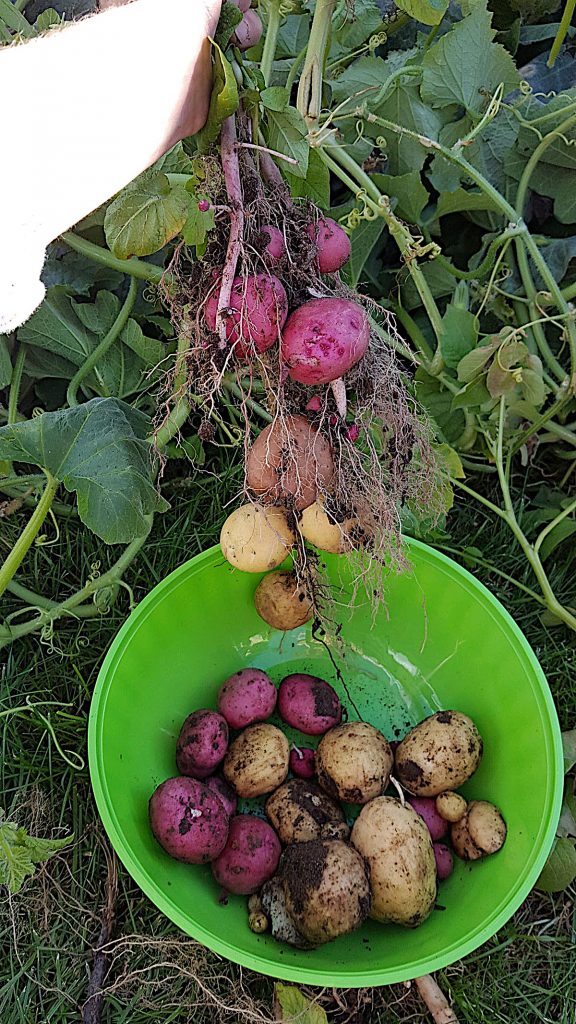
After digging up your potatoes let them lay in the shade for a while to completely dry. Then brush the dirt off and store them in a cool, dry place. Use any that were damaged while digging right away. Check your stored potatoes often and remove any that look like they are getting soft or shriveled.

Comments
What you need to know about growing potatoes — No Comments
HTML tags allowed in your comment: <a href="" title=""> <abbr title=""> <acronym title=""> <b> <blockquote cite=""> <cite> <code> <del datetime=""> <em> <i> <q cite=""> <s> <strike> <strong>