
Propagating rhododendrons by soil layering
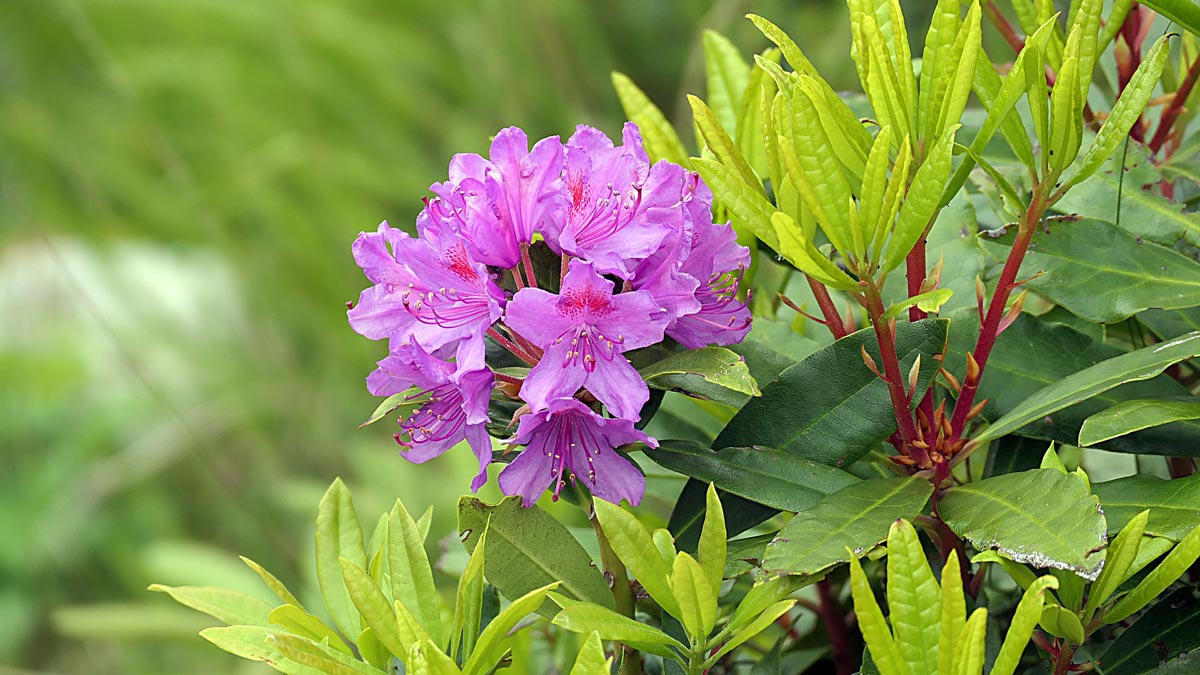
We live in the Pacific Northwest where rhododendrons grow really well. So well, in fact, that one town along the coast (Florence, Oregon) has a rhododendron festival held the third weekend in May every year. The festival lasts for three days and includes a rhody show and sale, a parade, car show, kid’s parade, vendor fair, carnival, and other family-friendly activities.
I love rhododendrons; they grow faithfully, they stay green all year, and they are hard to kill. A delivery truck driver backed over one of my rhododendrons once and broke it off at ground level. I thought the rhody was a goner, but it popped right back up with new shoots that were healthier than ever. I also like that different varieties of rhododendrons bloom at different times of the year, usually beginning in March and going into July. I even have a one that blooms in the fall.
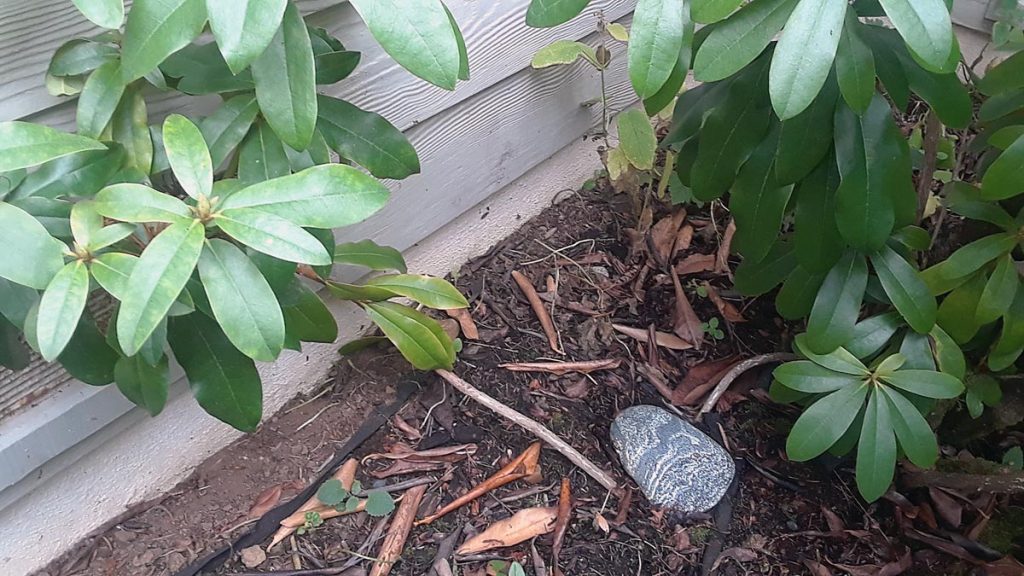
Rhododendrons also require very little pruning (less work is always a plus in my garden). The best time to prune them is right after they finish blooming. (Although severe pruning to rejuvenate an old plant should be done in late winter.) Rhodys bloom on the prior year’s wood. So you have to be careful when pruning them since next year’s buds will be made this summer. (You don’t want to prune any buds off and miss out on all of those beautiful blooms!) These shrubs do not require much pruning unless they have been planted in a space that is too small for them. To prune rhodys cut away any limbs that look dead or weak, or any limbs that are crossing over others. For rhododendrons with large leaves, follow the branch down to the last whorl of leaves you want to keep. Cut just above those leaves, being careful not to cut off the buds where new growth will appear. Small-leafed rhododendrons (and azaleas) can be pruned anywhere along their stems.
Another reason I like rhododendrons is that deer don’t eat them. Not being able to fence our entire property, I try to plant things outside the fenced areas that the deer won’t eat. Rhodys (and azaleas) fit the bill, but they are somewhat expensive to buy at the nursery. I don’t like to spend money on plants that I can’t eat (although seeing a rhododendron blooming does feed the soul), so I learned how to propagate more by soil layering them.
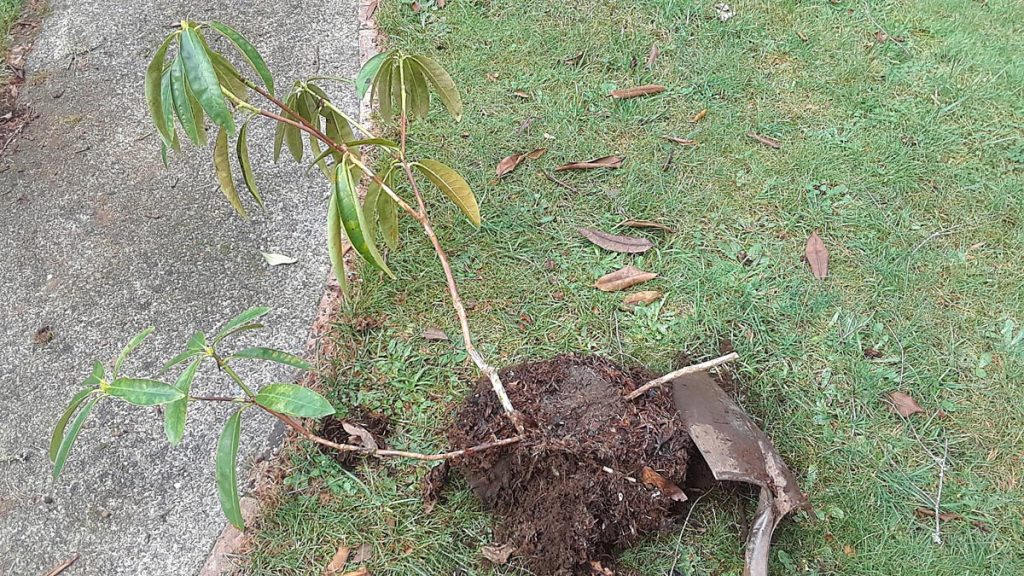
A method called simple layering works very well for creating more rhododendrons. All you have to do is dig a small hole close to the rhododendron (where you can bend a branch to the ground) and mix in a little compost. Then scrape the bark off the part of the branch that will come into contact with the soil, bend the branch into the hole and cover it with some dirt. You can shake some root tone powder on the branch, but I find it is not necessary. Place a rock or brick on top to help hold the branch down into the soil. The tip sticking out of the soil can be tied to a stake to help it grow upright, but I have found that the tip will naturally turn and grow upright as long as it is not shaded by a building or something similar.
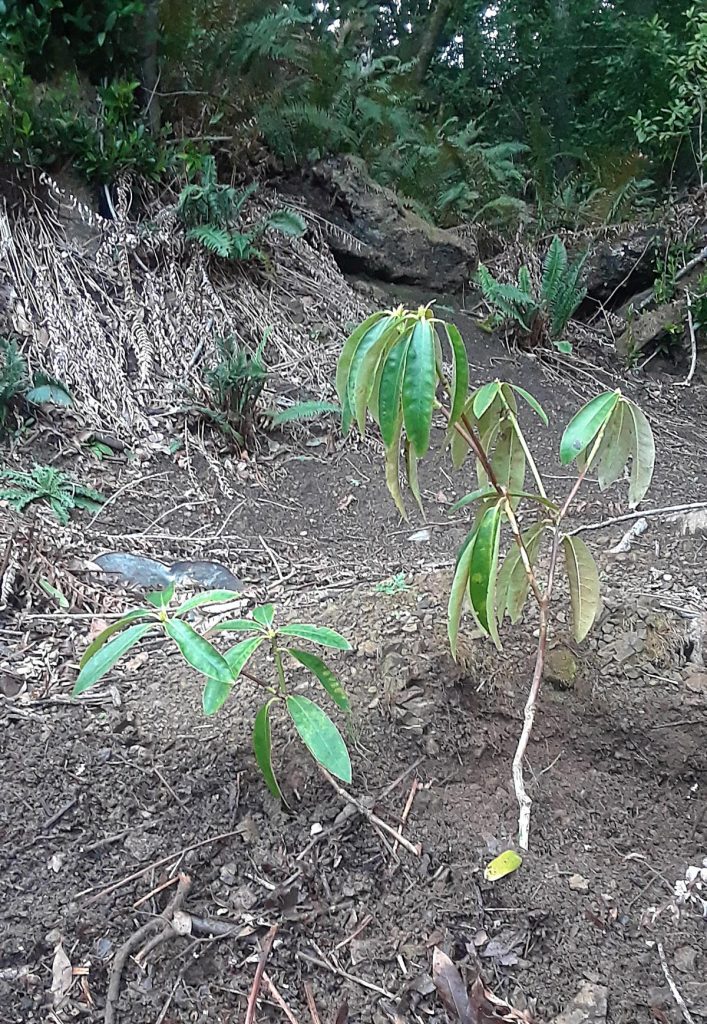
Good root formation can take anywhere from a few months to more than a year. You can gently dig into the soil occasionally to see how the roots are growing. When sufficient roots have formed, you can cut the branch to separate the new plant from the donor plant. Then dig it up being careful to keep a good amount of dirt around its roots, and transplant it in its new location.

Comments
Propagating rhododendrons by soil layering — No Comments
HTML tags allowed in your comment: <a href="" title=""> <abbr title=""> <acronym title=""> <b> <blockquote cite=""> <cite> <code> <del datetime=""> <em> <i> <q cite=""> <s> <strike> <strong>