
Growing currants
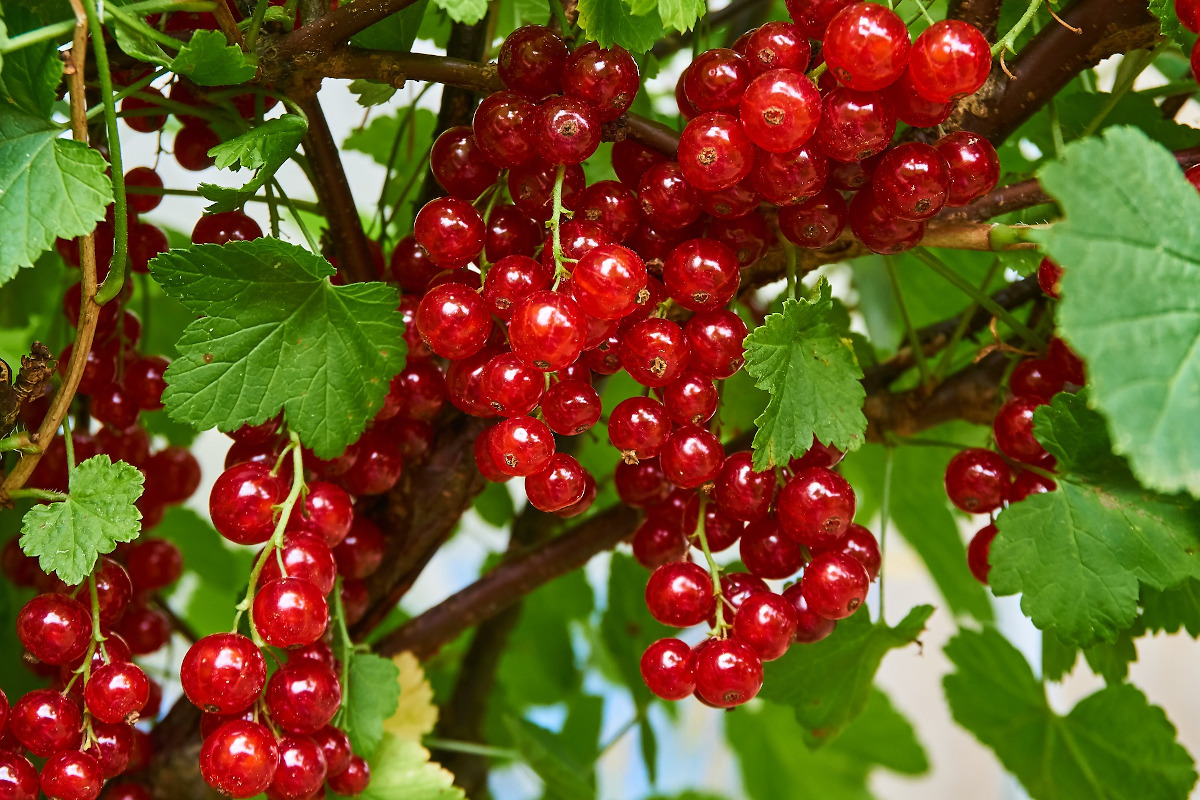
Currants are easy to grow and are prolific producers of a tart berry that makes a wonderful jam or jelly. Currant berries are packed full of nutrients — vitamin C, phosphorous, and potassium to name a few. They come in pink, white, red, and black and each color has its own unique flavor — white being the sweetest.
One of the nice things about currants is that they will grow in shadier conditions than some other berries. However, you will get more fruit if you grow them in full sun.
Because currants are an attractive bush and (somewhat) deer resistant they are often grown as landscape plants. They make a nice hedge and will attract hummingbirds and honeybees to your yard. Their maple-like leaves are attractive, but they do lose their leaves in winter so keep this in mind when choosing to use them as a landscape plant.
Currants like well-drained soil with lots of organic matter. They like the soil to be a little on the acidic side with a pH between 5.5 and 6.3. If your soil is clay or sandy, it’s a good idea to work in lots of organic matter before planting.
After preparing your soil, plant currant bushes just slightly deeper than they grew in the nursery pots. Space them 4-5 feet apart. After getting them planted apply a layer of mulch around them to help to keep the weeds down and the soil moist.
I do not fertilize my currant plants other than working in a little compost around them once a year. If you prefer other methods you can give them a couple of tablespoons of 10-10-10 fertilizer once a year early in the spring.
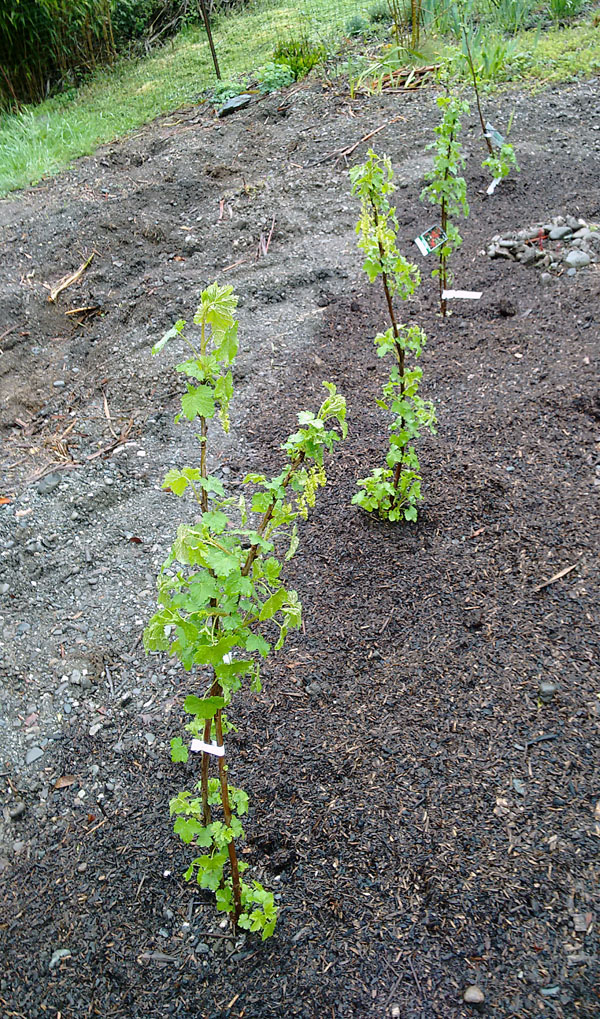
It’s a good idea to pinch off the flowers the first year of planting. As hard as this is to do it will allow the plants to become stronger and better established before putting energy into producing berries. Although currants are self-pollinating you will get a larger harvest if you plant several together.
Prune currant plants during the dormant season by removing any old dead, diseased, or broken limbs. Also prune center growth to allow plenty of airflow in the interior of the plant.
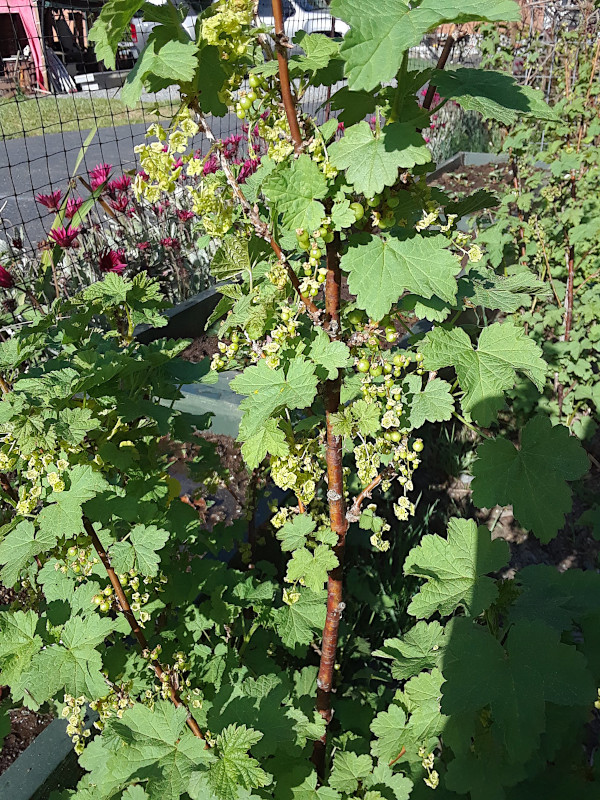
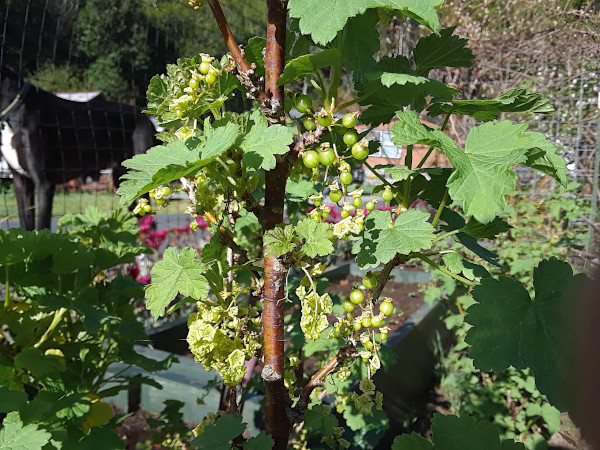
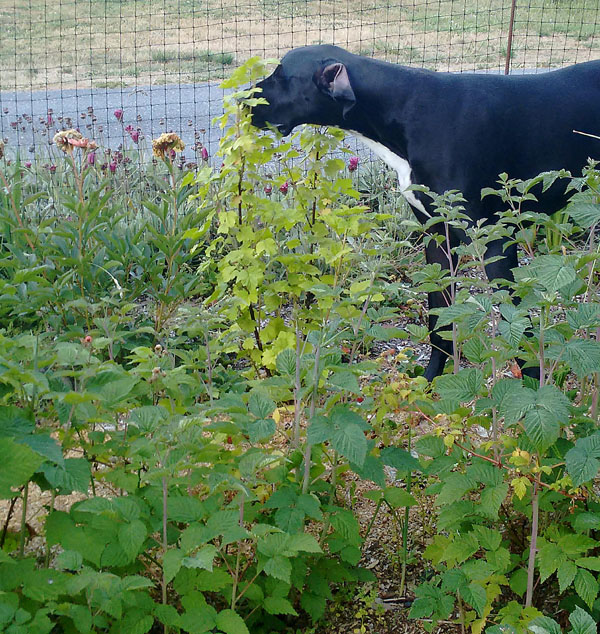
Since most currants, other than the white ones, are on the tart side a lot of people don’t seem to like them right off the bush like other berries. I like tart berries, but if you prefer some sweetness to yours some ideas for using tart currants are: add them to an apple pie for a tart nutrition burst, add them to muffin batter in place of blueberries, or cook them down into a sauce for topping ice cream. Currants also add a nice kick to fruit salads. My favorite way to eat currants is mixed into homemade yogurt with a little bit of honey.
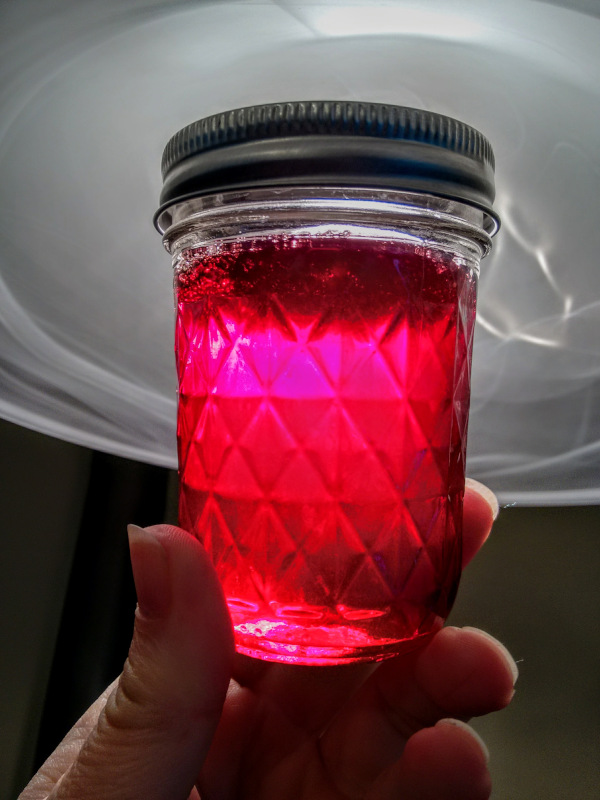
Another option is to turn your currants into jam or jelly. Since the currant berries have a lot of natural pectin currant jelly is pretty simple to make. Use equal amounts of currant juice and sugar, cook down to the jell stage, ladle into sterilized jars leaving half-inch of headspace, and water bath for 5 minutes. I use a steam juicer when making jelly but if you don’t have one you can cook down the berries with a little bit of water (mashing them to release the juices), then drain the juice off of the berries by using a jelly bag and hanging it over a large bowl or pot overnight. There is no need to remove the stems when cooking down (or steaming) the berries, just wash and you are good to go. I have read, but not verified, that the stems have pectin in them as well. Since removing the stems is time consuming and tedious I’m fine with leaving them intact when making jelly.

Comments
Growing currants — No Comments
HTML tags allowed in your comment: <a href="" title=""> <abbr title=""> <acronym title=""> <b> <blockquote cite=""> <cite> <code> <del datetime=""> <em> <i> <q cite=""> <s> <strike> <strong>