
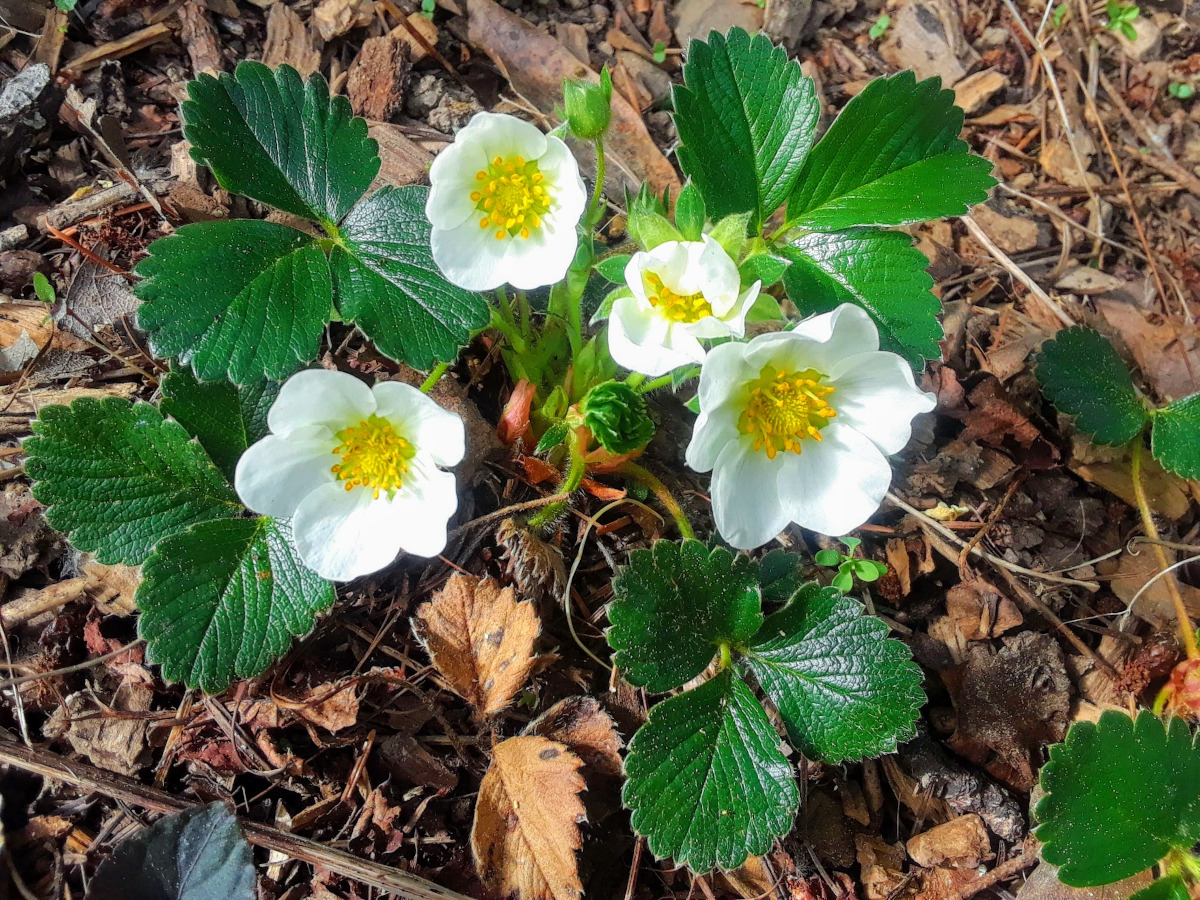
Growing strawberries
Whether you have a garden or not, chance is you still have room for a few strawberries. Strawberries are simple to grow and require very little space. They can be grown in pots or hanging baskets on the porch or they can be tucked in here and there in your flower beds. Strawberries are one of the first fruits to ripen early in the spring — this alone makes it a good reason to grow them.
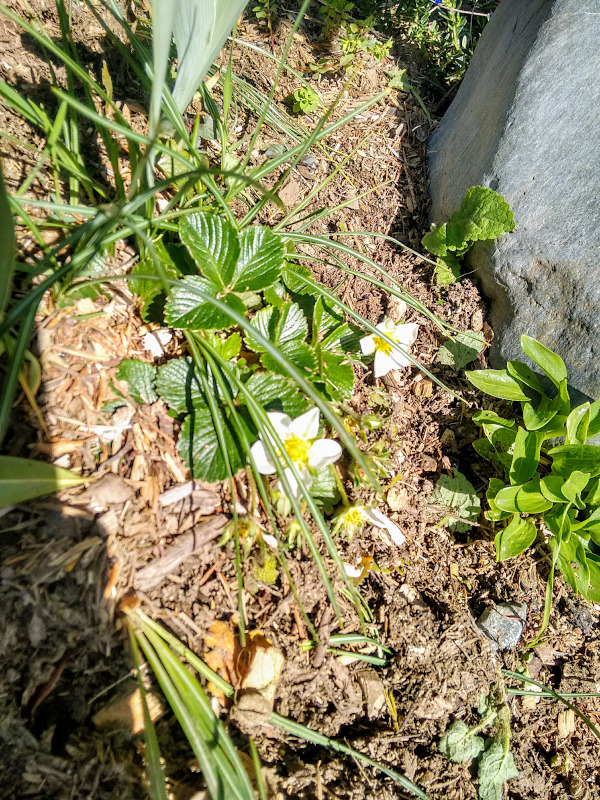
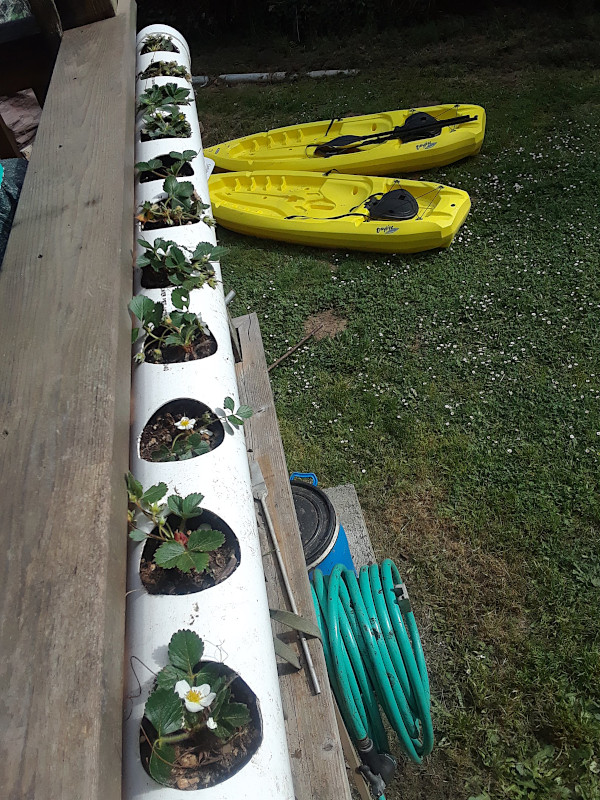
Strawberries like about eight hours of sun each day, but can get by and still produce (although not as well) with six hours. They prefer a loamy soil that is a little on the acidic side.
If planting them in the ground rather than in a container, space strawberry plants 16-18 inches apart. Spacing them this far apart allows room for the “runners” that produce the baby plants. The runners come off the parent plant and produce a new plant at the end of the runner that will root and grow — some varieties can reproduce very prolifically. If the variety you choose produces more than a few runners, clip them off and only allow the plant to set two or three new plants. This will help the mother plant to produce more fruit rather than sending energy into producing “babies.” As soon as the baby plants send down roots and are established, cut the runner from the mother plant.
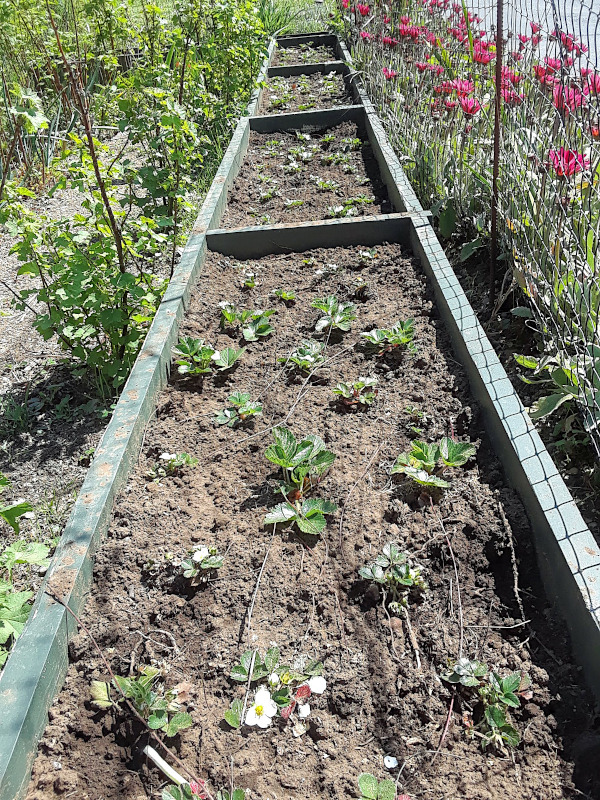
There are some varieties of strawberries that produce few to no runners, so if you don’t want to spend time dealing with the baby plants, be sure to get one of these varieties. June-bearing plants will usually produce lots of runners, but everbearing and day-neutral strawberries will produce less. If you are planting strawberries that will only produce a few to no runners you can space them as close as six inches apart.
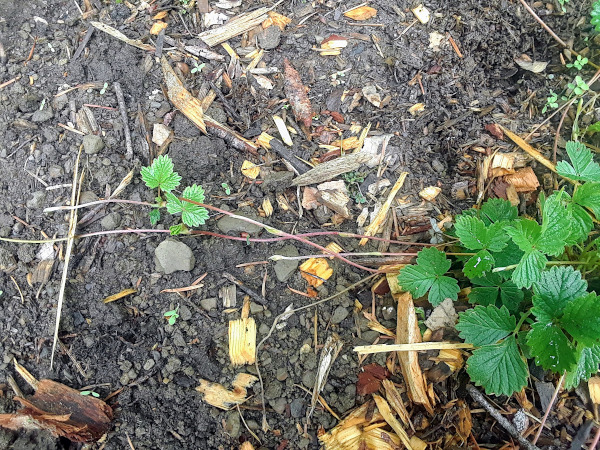
In most areas the best time of year to plant strawberries is early spring, but if you live in a temperate growing zone, strawberries can be planted in the fall. Planting in the fall will allow the plants to establish roots and get off to a good start producing berries in the spring. If you plant your strawberries in the spring, the flowers should be pinched off until the plant has a good root system.
When planting strawberries bury the plants so that their roots are covered with soil, but the central growing bud, or “crown,” is exposed. If you bury the crown, the plant will likely rot rather than grow.
Water consistently throughout the growing season for a good harvest. One to two inches of water per week is good for strawberries planted in the ground, but if you have them planted in pots they may need water on a daily basis. To help the soil stay a little cooler — and retain moisture — an application of about an inch or so of mulch does wonders. Be sure not to settle any mulch around the crown of the plant, though, or you might end up with rot.
I have a tendency not to apply fertilizer other than organic options such as blood meal, fish meal, or soy meal. We make a “garden tea” using organic products that I apply a couple of times in the early part of the summer. Don’t apply fertilizer in the fall as it may produce growth that will only be damaged by frost. The strawberries will go dormant and the leaves will turn brown and dry up when the weather gets cold.
Because strawberries grow so close to the ground it is a good idea to be vigilant about slug and snail populations. Using straw as mulch will help to keep the berries cleaner as they ripen. There are strawberry supports that you can buy to keep the berries off the ground that run about $3 each. One company that sells them is www.gardeners.com, but I’m sure you can find them other places as well. You can also use plastic mulch in your bed to keep the berries clean.
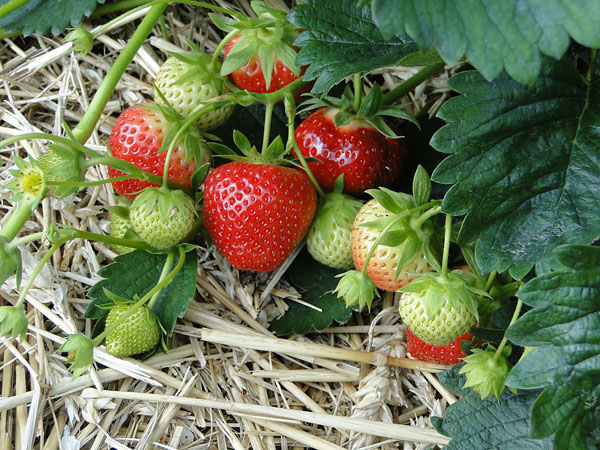
Strawberry plants seem to only produce well for 2-3 years and then have a tendency to peter out. There are some proponents who say you should renovate your strawberry bed every year right after harvest. They say you should mow the old foliage, rake the leaves, till between the rows, and thin the remaining plants. I have never done this. I simply remove old plants and replace them with the new ones created by runners. Having a variety that produces runners keeps you in new plants and you never have to go out and buy more.


Comments
Growing strawberries — No Comments
HTML tags allowed in your comment: <a href="" title=""> <abbr title=""> <acronym title=""> <b> <blockquote cite=""> <cite> <code> <del datetime=""> <em> <i> <q cite=""> <s> <strike> <strong>