
Crockpot yogurt
I eat yogurt nearly every day. Yogurt and berries with a little granola and a few nuts on top — a great healthy snack or oftentimes lunch if I’m busy. The yogurt provides probiotics, the berries provide antioxidants, and the nuts provide healthy fats and phytosterols, a compound that helps to lower cholesterol. This dish is also packed full of fiber, protein, vitamins and minerals, including calcium, folate, vitamin E, potassium, and magnesium.
In the small town where I live yogurt is expensive and since I eat so much of it, I began making my own several years ago. It is too simple not to make and is so much better than any yogurt I have ever purchased from the store. The only tools I use to make homemade yogurt is my crockpot, a thermometer, a small bowl, a spoon to stir with, and several old towels.
To make yogurt you need to have a “starter.” I use plain yogurt that I purchase from the store occasionally, but I usually save some yogurt from each batch as a starter. If you choose to use purchased yogurt as a starter make sure it is a yogurt that has live cultures and as few additives as possible. You can also purchase actual yogurt starter cultures. Since it’s not a common everyday thing, you will most likely have to purchase your yogurt starter online. A good company to deal with is The New England Cheese Making Supply Company (www.cheesemaking.com). And of course, like anything else you can imagine purchasing, you can find yogurt starter on Amazon too. After you have made your first batch of yogurt you can simply save some as a starter for the next round.
To make a batch of yogurt I pour one gallon of milk into my crockpot. I use whole milk, but 2% milk will make good yogurt too. I set the crockpot on high and heat the milk to 180° F. According to the National Center for Home Food Preservation, heating the milk is necessary to change the protein structure so it sets as a solid instead of separating. I have heard that you can also just heat the milk to 110° F and put your culture in (as long as you are using pasteurized milk), but I have never tried it that way.
Once the milk reaches 180 degrees, I turn off the crockpot and take the crock out to let the milk cool to 110° F. I want the milk to cool so when I dump the starter in the heat doesn’t kill all of the good bacteria that will turn the milk into delicious yogurt. You can stir the milk as it cools to keep a skin from forming, or do like I do and just skim it off when you’re ready to put the starter in.
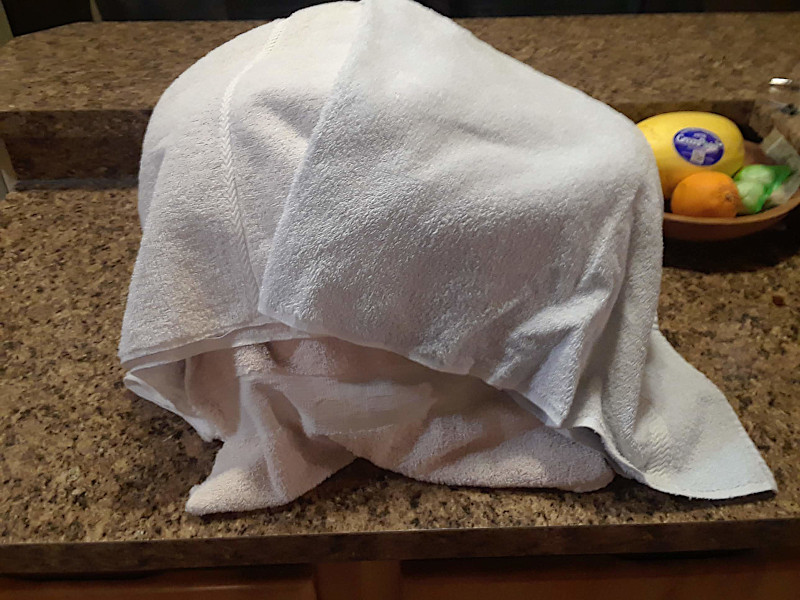
Once it is cooled to 110° F, I take out about a cup of the milk and mix it with one cup of the yogurt I’m using as a starter. Then I stir the mixture into the pot of warm milk. This inoculates the milk with the yogurt culture. Once the starter is stirred in I put the crock back into the crockpot warmer portion and cover the whole thing in several layers of old towels. I do not turn the crockpot back on, I just use it to contain the heat. To make yogurt the cultured milk needs to stay at around 110 degrees for at least four hours. I leave mine overnight because the longer it sits, the thicker and more tart it becomes and that’s the way I like it. If the yogurt drops below 110°F while it’s incubating, that’s fine. It will take a little longer to set, but the bacteria in the yogurt culture will keep the milk from spoiling.
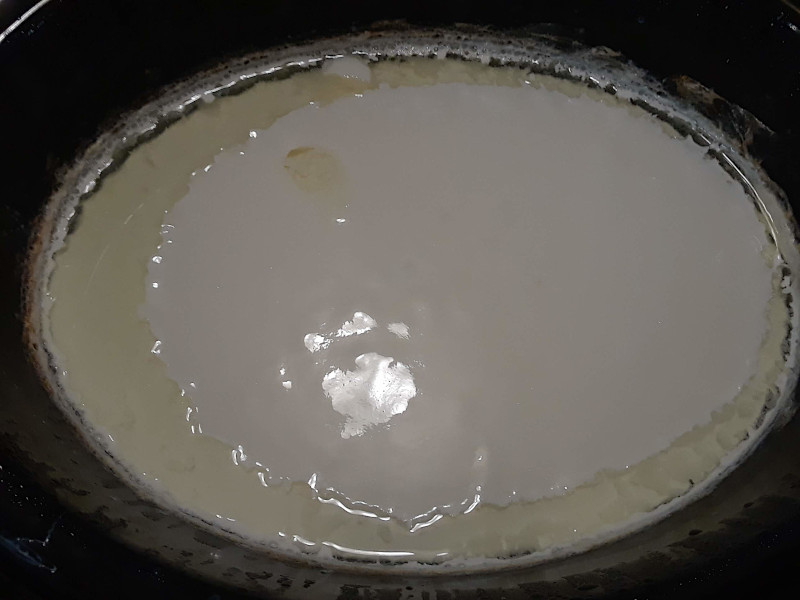
The next morning I line a colander with a good-quality cheesecloth and set it over a large bowl. Then I dump the yogurt in and let the whey drain off for a while until the yogurt is the thickness of Greek-style yogurt. Once that’s done I put it in jars and place it in the refrigerator. This yogurt will keep for 2-3 weeks in the refrigerator.
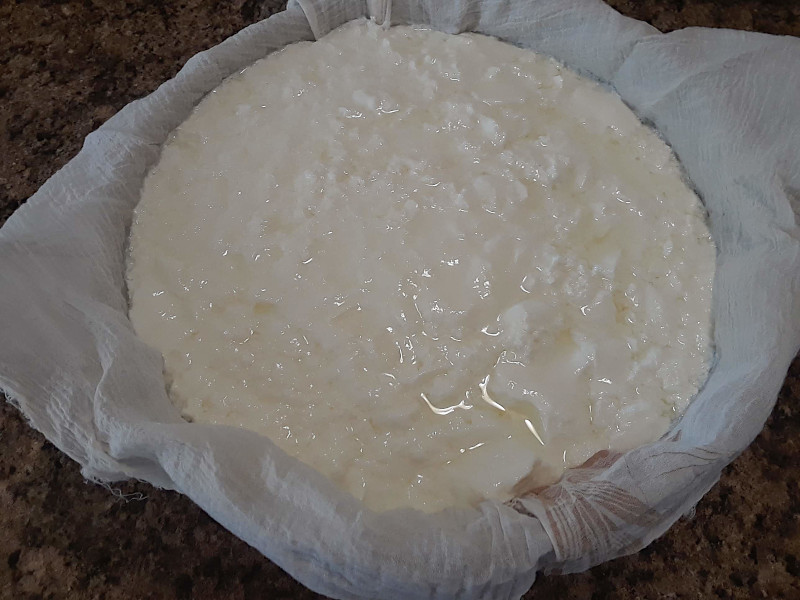
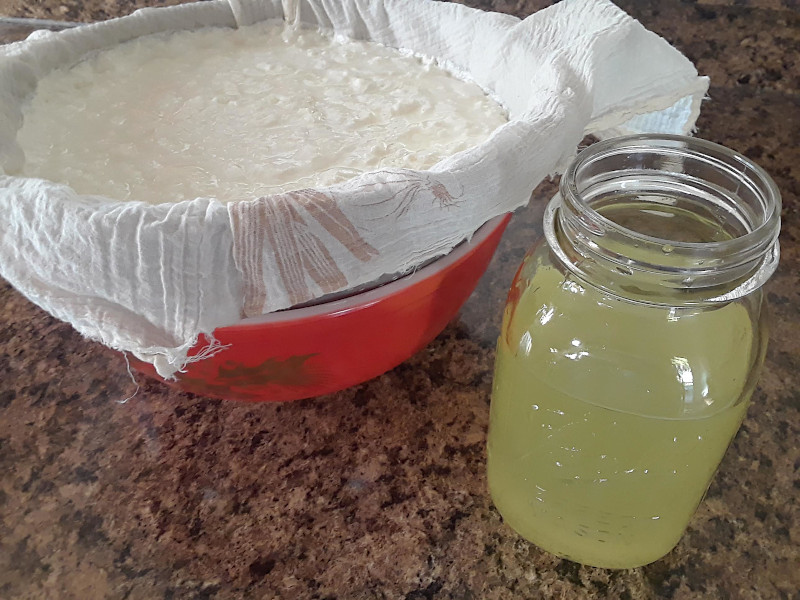
If you decide to make Greek-style yogurt don’t dump the whey! It has numerous uses and is a healthy fermented product. You can substitute whey for other liquids when baking, add it to juice, mix it into a smoothie, feed it to pigs, make ricotta cheese, and you can also use it to ferment certain foods.
I always try to save a cup of yogurt to make the next batch. After a few batches, some odd flavors might develop in the yogurt or it may not culture as quickly. That simply means that some outside bacteria may have gotten into the yogurt or the strain is becoming weak. If that’s the case then it’s time to get some store-bought yogurt for the next batch.
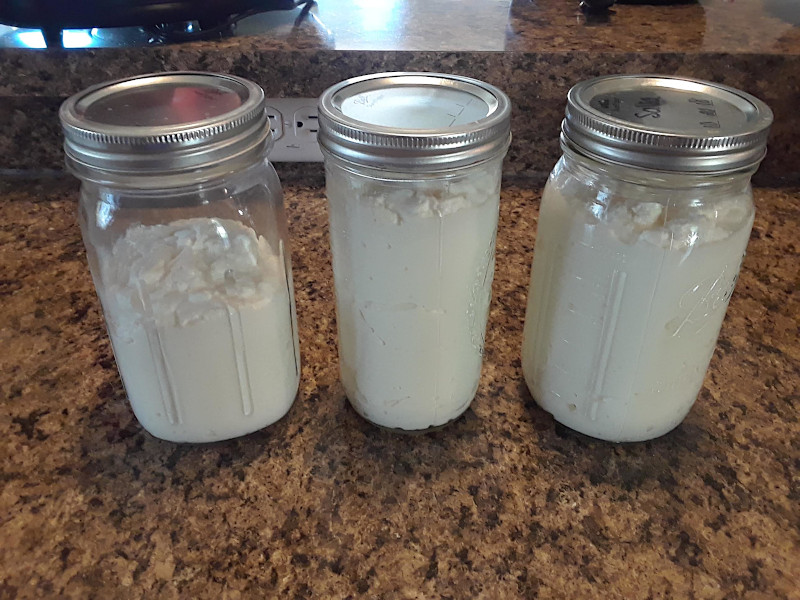
Haley also makes her own yogurt, but uses a different method than I do. She puts the milk in jars, sets them in her waterbath canner (always use a rack or an old towel under the jars) and adds water until it is about two thirds of the way up the jars. She turns the heat on medium-high and heats the milk to 180° F. Once the milk reaches 180 degrees she turns the heat off to let the milk cool. Then she adds the starter — and sometimes powdered milk if she wants the yogurt to come out thicker. She puts the lid back on the waterbath canner and wraps it in towels and an old blanket to incubate overnight.
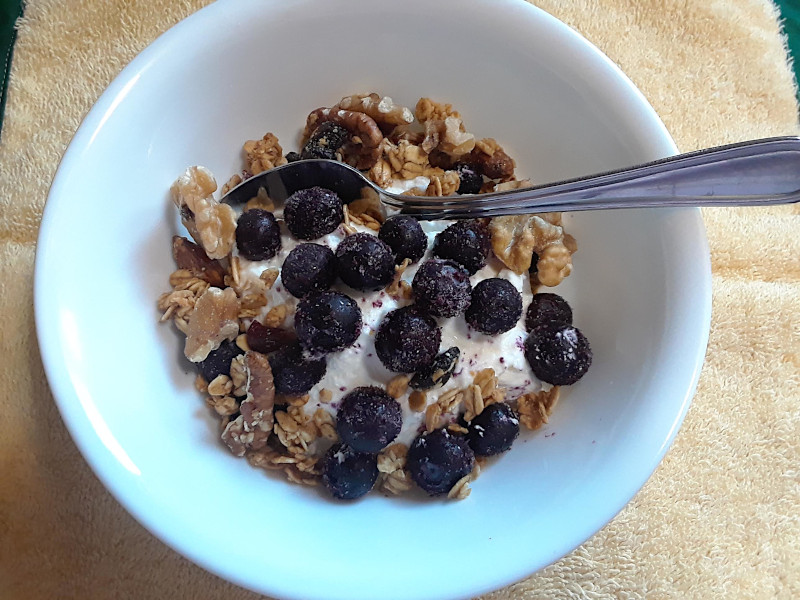
Making yogurt is so simple there is no reason not to try making your own.

Comments
Crockpot yogurt — No Comments
HTML tags allowed in your comment: <a href="" title=""> <abbr title=""> <acronym title=""> <b> <blockquote cite=""> <cite> <code> <del datetime=""> <em> <i> <q cite=""> <s> <strike> <strong>